Journal · Choreography
Luther Brown: The Man Who Built a Movement
From Toronto’s hip-hop scene to international stages, Luther Brown has spent decades shaping the way music, culture and movement come together at the Manor LDN.
26 September 2026 · 2 min read
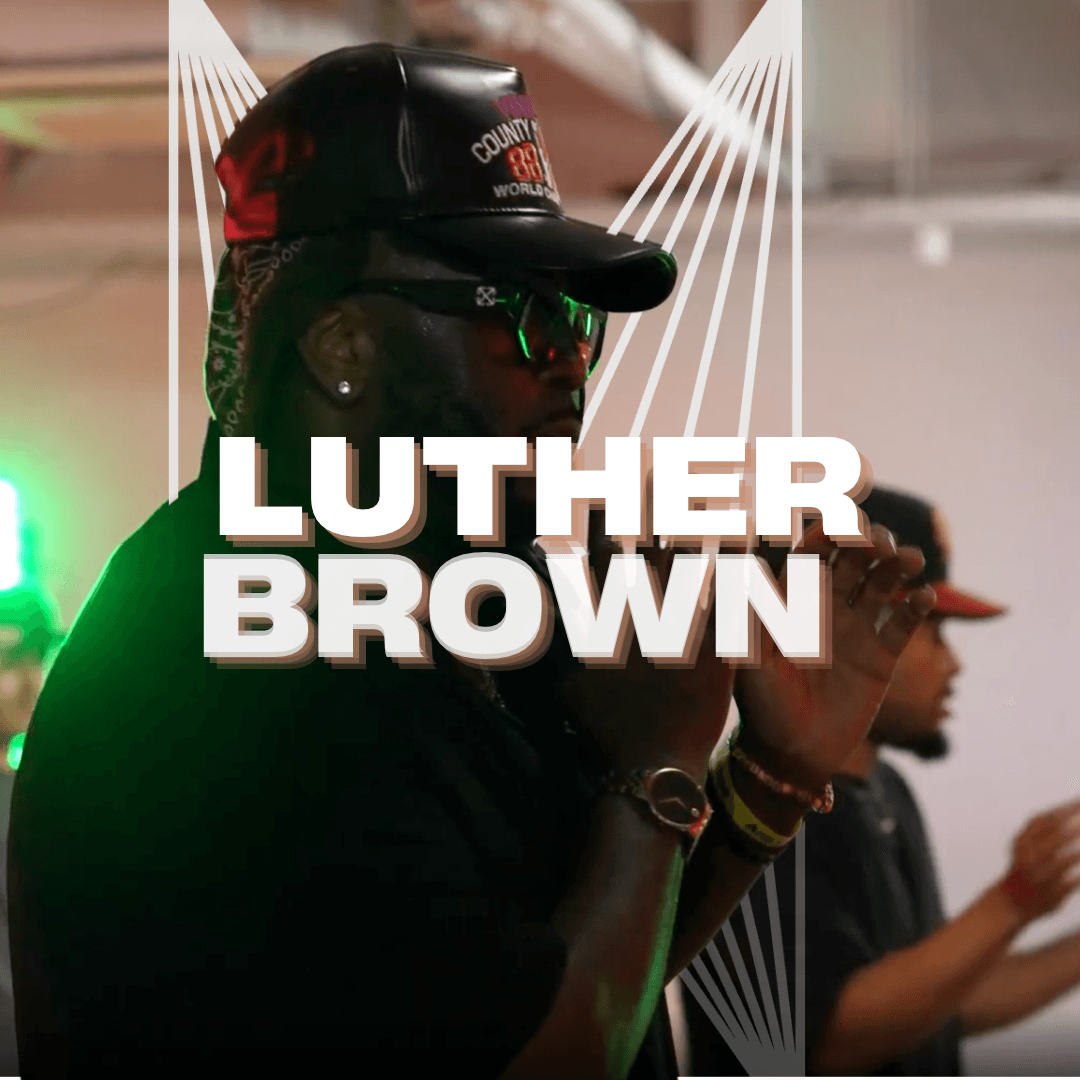
CHOREOGRAPHY BY LUTHER BROWN
ARTIST: MARIO - U DA CAKE
LOCATION: THE MANOR LDN DANCE STUDIO, FINSBURY PARK, NORTH LONDON
For Luther Brown, dance has always been closely connected to music. Born in Kingston, Jamaica and raised in Toronto, he grew up surrounded by Caribbean culture and music, developing his ear while helping his father with his radio show, The Caribbean Crucible. That relationship with sound would become a defining part of his creative identity, eventually shaping a career built around hearing music differently and translating it through movement.
In the 1990s, Luther began choreographing for Toronto's hip-hop community, working with artists including Jully Black, Michie Mee, Dream Warriors and Maestro Fresh Wes. He went on to found Do Dat Entertainment, a company that played a major role in developing Toronto's urban dance scene and nurturing a generation of dancers. His influence eventually moved far beyond Canada, with choreography for artists including Janet Jackson, Jennifer Lopez, Nicki Minaj, Gwen Stefani, Ciara, Megan Thee Stallion and Daddy Yankee.
Television and live performance have become another major part of Luther's career. He has choreographed for So You Think You Can Dance in the US and Canada, receiving two Emmy nominations for his work, while also creating for tours and residencies including Janet Jackson's Together Again, Gwen Stefani's Just A Girl and Jennifer Lopez's All I Have. Across all of it, his approach remains rooted in the music — using choreography to tell another version of the story already being told through sound.
At The Manor LDN, Luther brings that instinct into the studio with Che Mario's “U Da Cake”. The choreography is an opportunity to experience the musicality, character and distinctive hip-hop foundations that have shaped Luther's work for decades — directly from a choreographer whose influence stretches across generations of dance.
More from the journal
Choreography
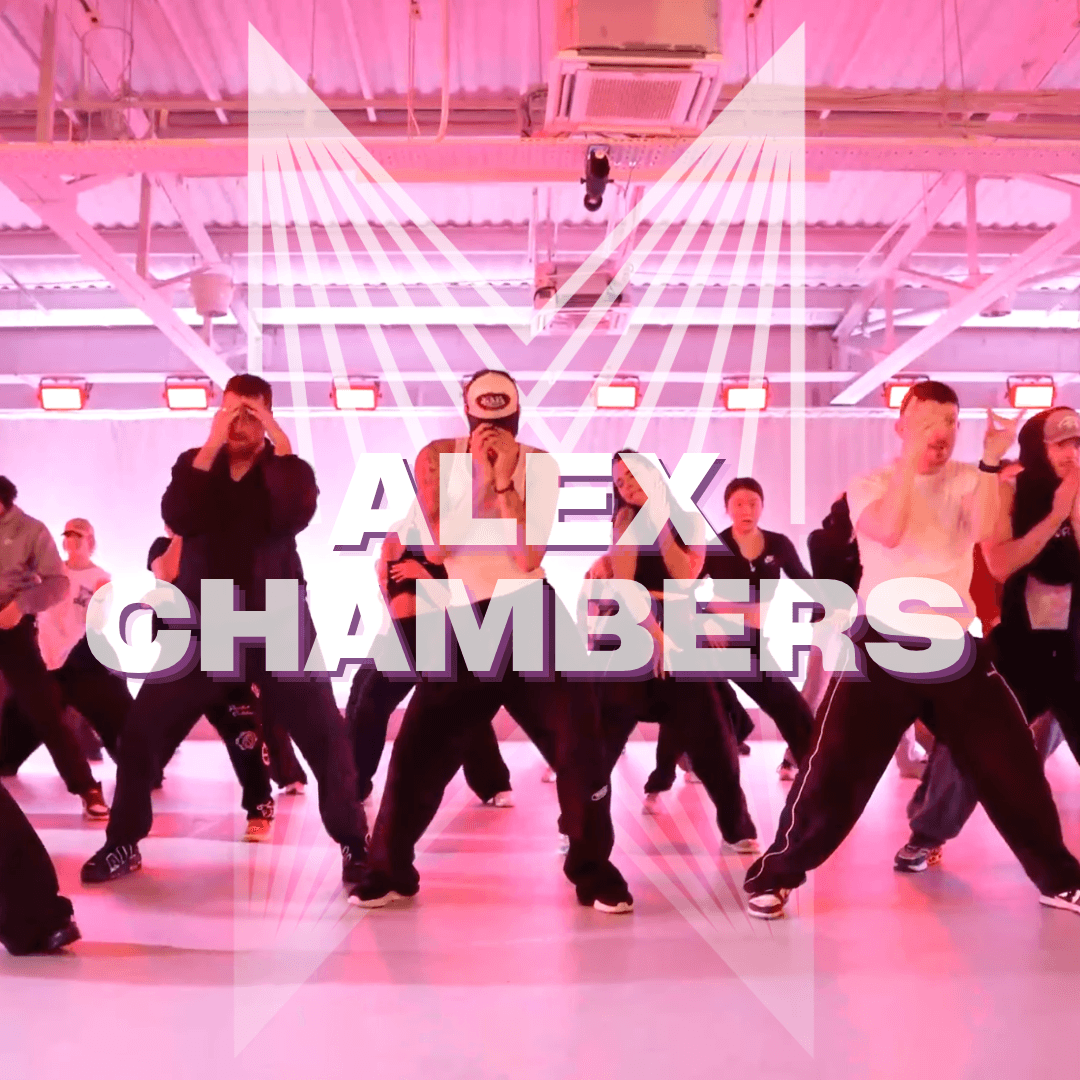
Alex Chambers: When Musicality Leads
Choreography
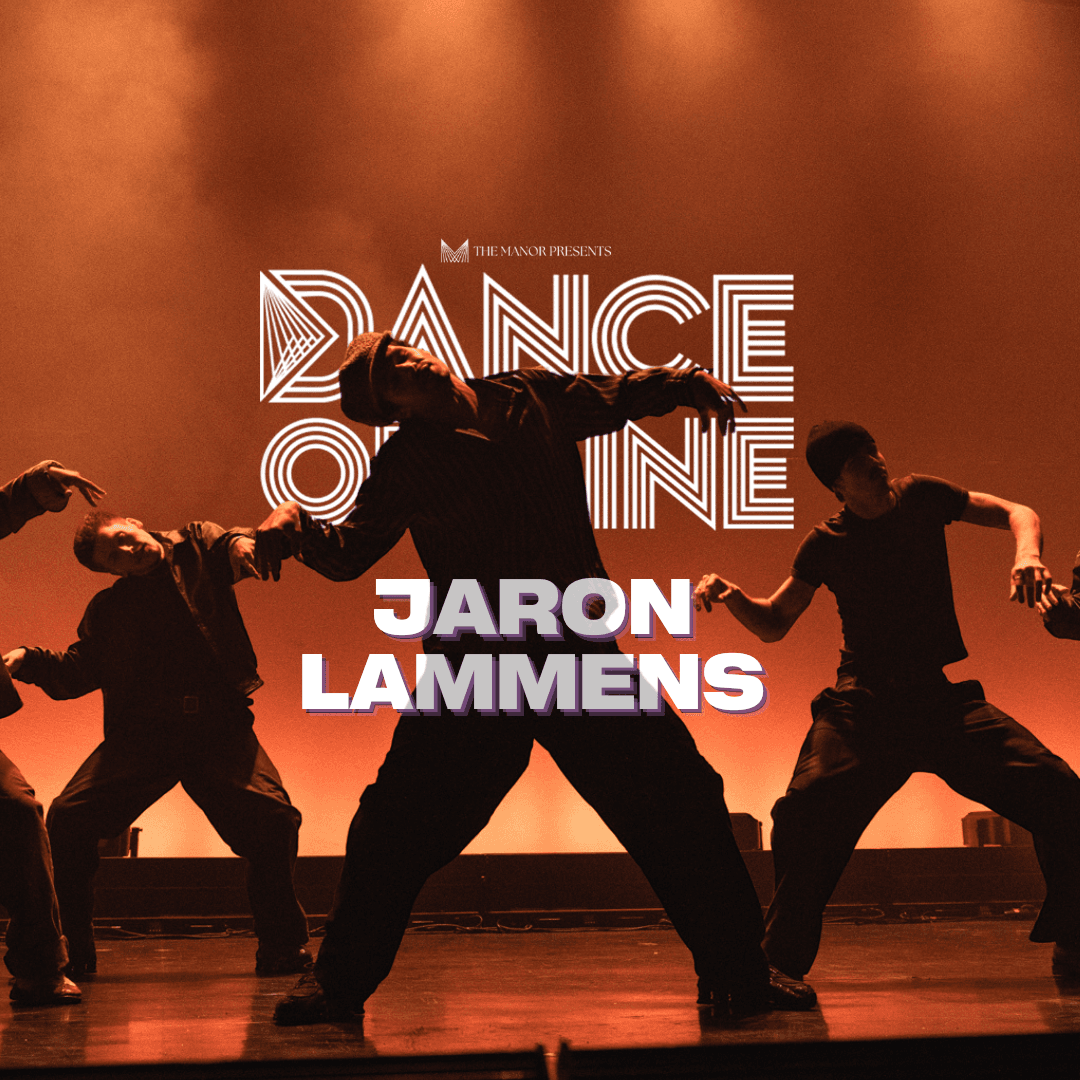
DANCE // OFFLINE 2026: Jaron Lammens: Where Street Meets Soul
Choreography
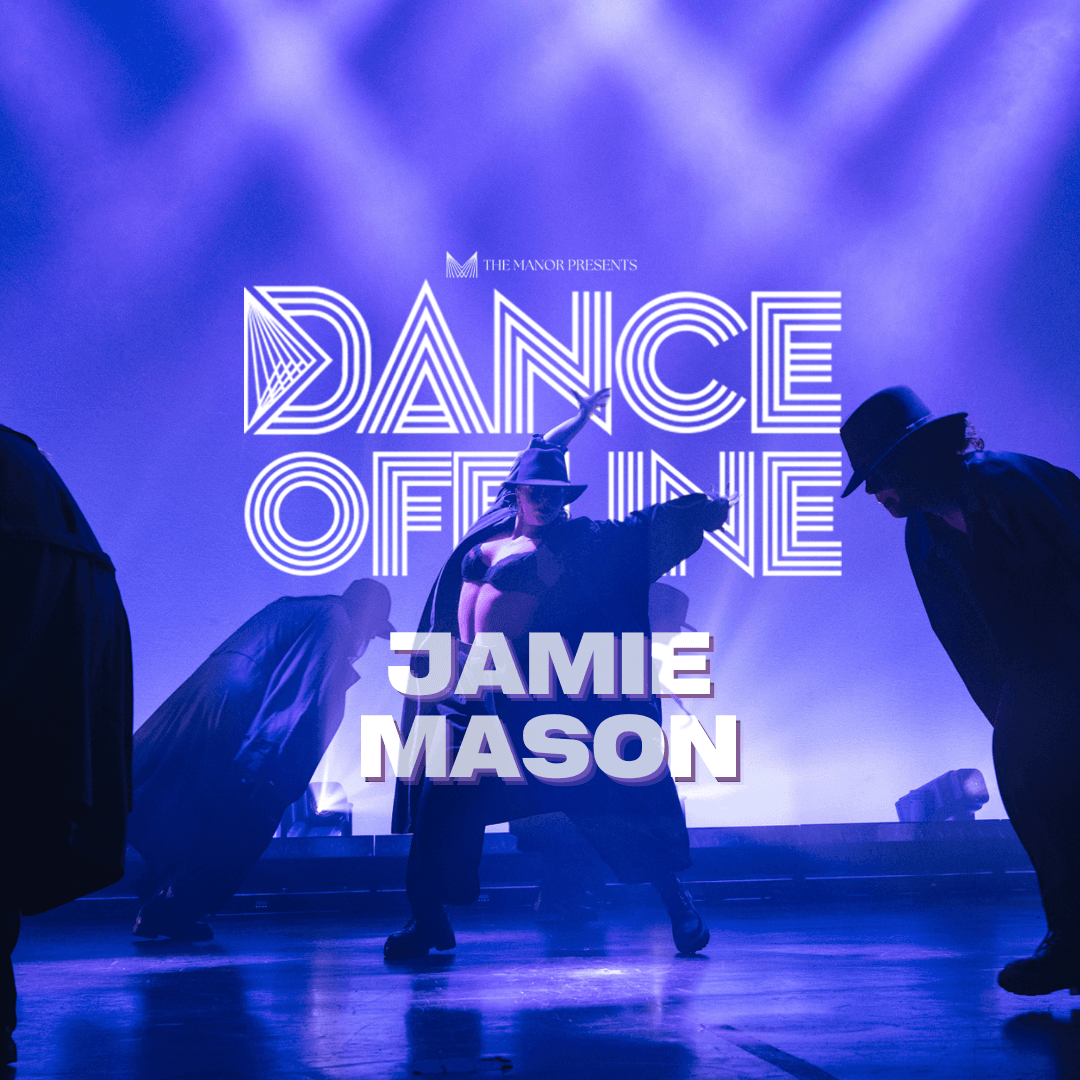
DANCE // OFFLINE 2026: Jamie Mason: From Foundations to the Main Stage
Choreography
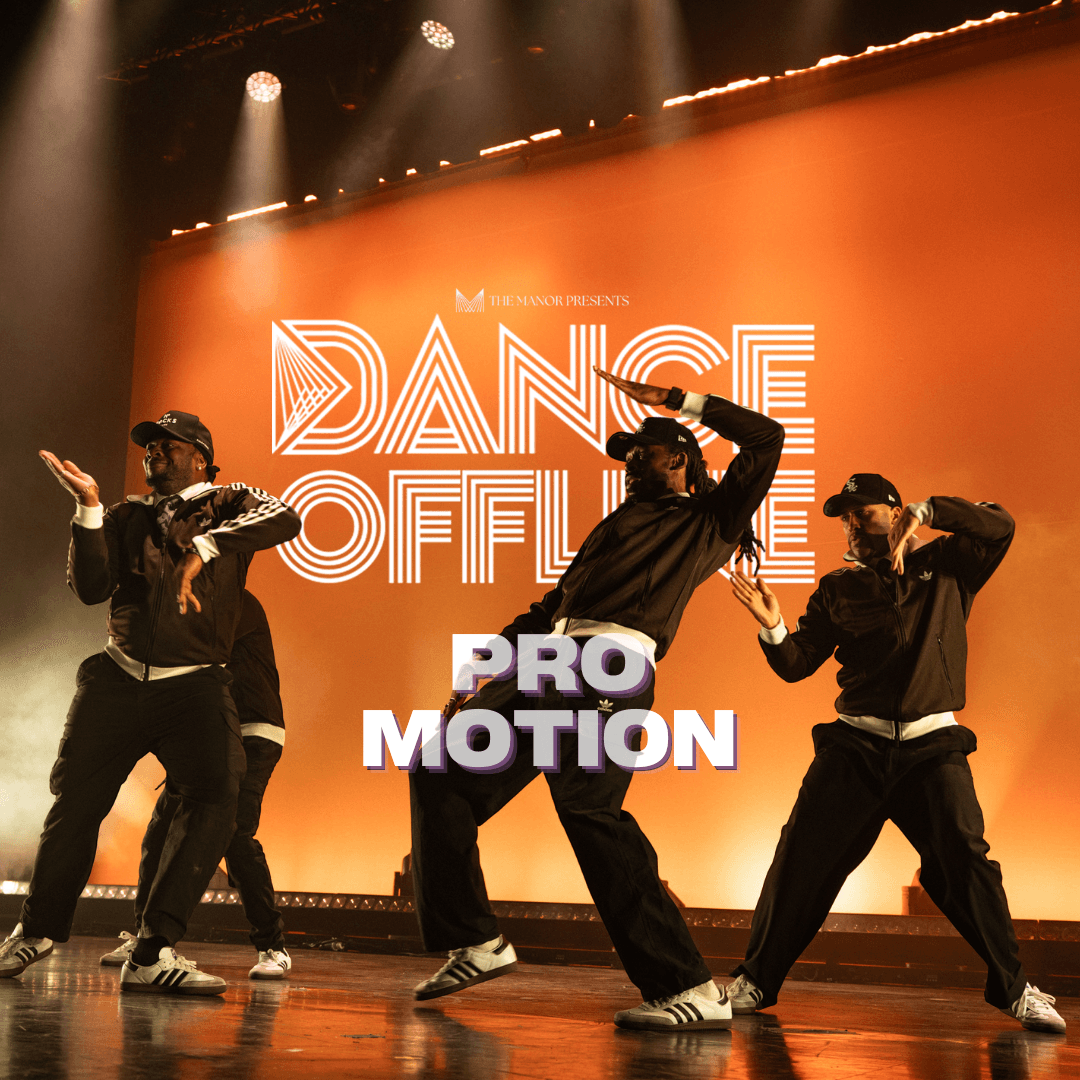
DANCE // OFFLINE 2026: Pro-Motion: Where Dance Becomes Illusion

Choreography
DANCE // OFFLINE 2026: Kid Turf: The Art of Turf Dancing
Choreography
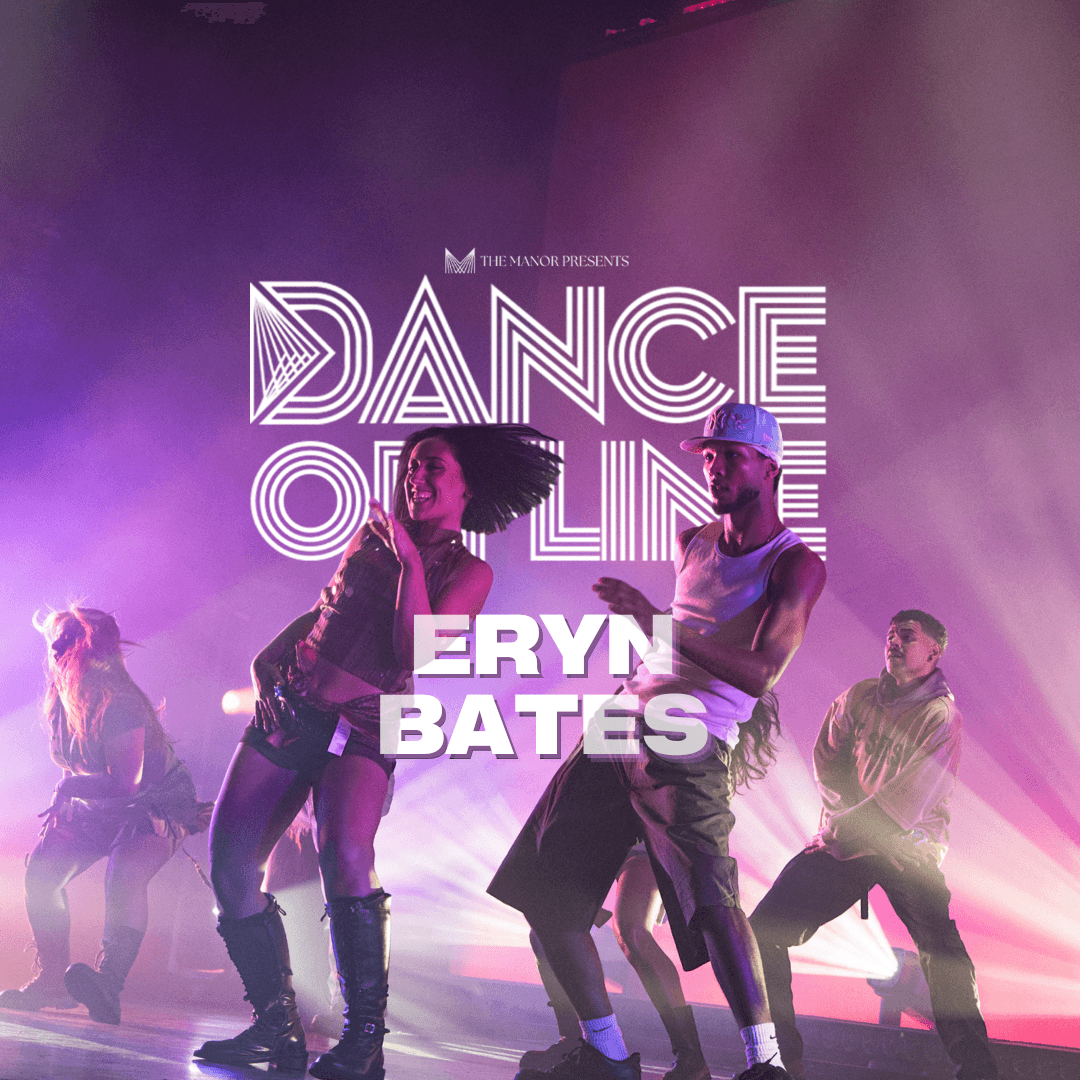
DANCE // OFFLINE 2026: Eryn Bates: More Than Just the Stepsy
Choreography
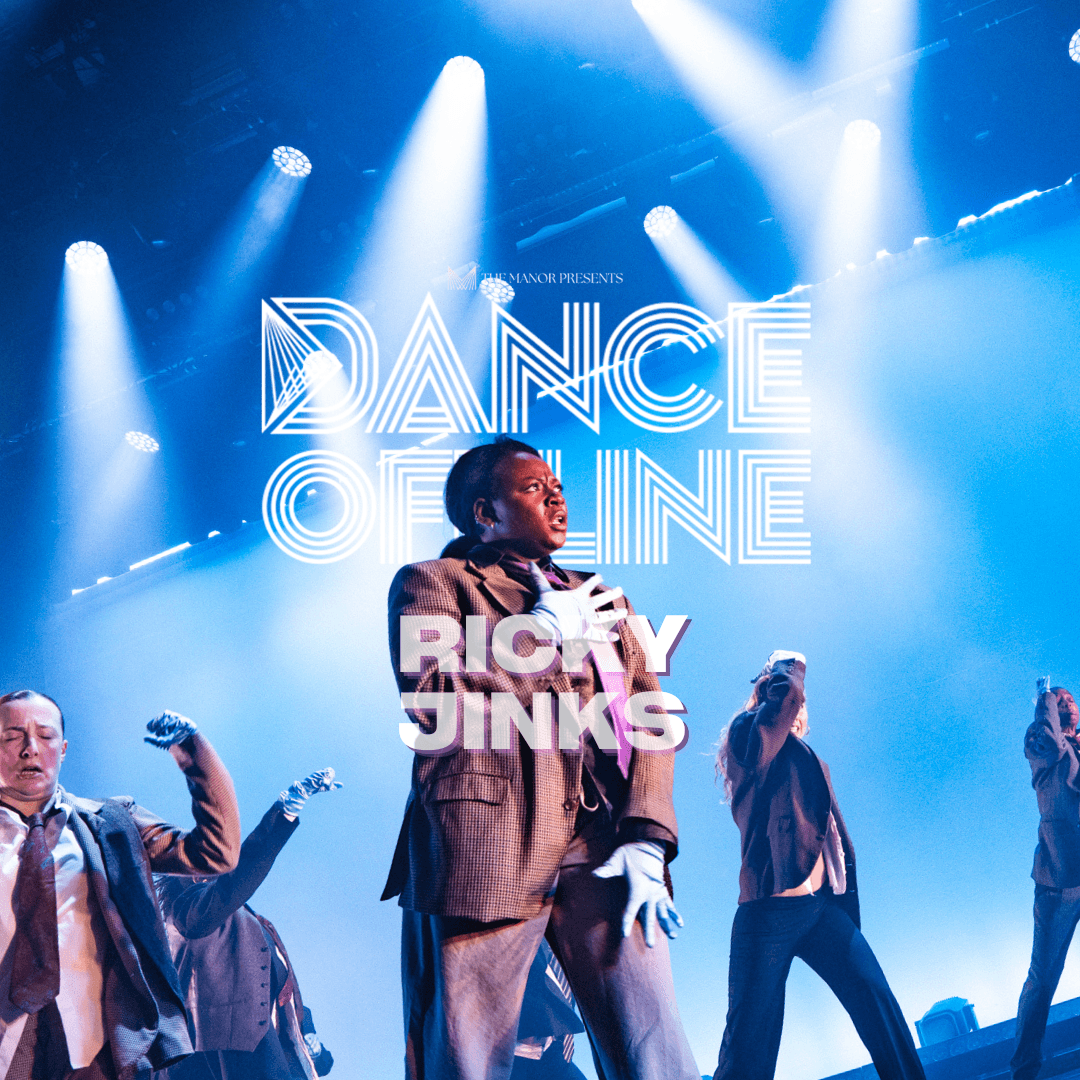
DANCE // OFFLINE 2026: Ricky Jinks: The Art of Feeling the Movement
Choreography
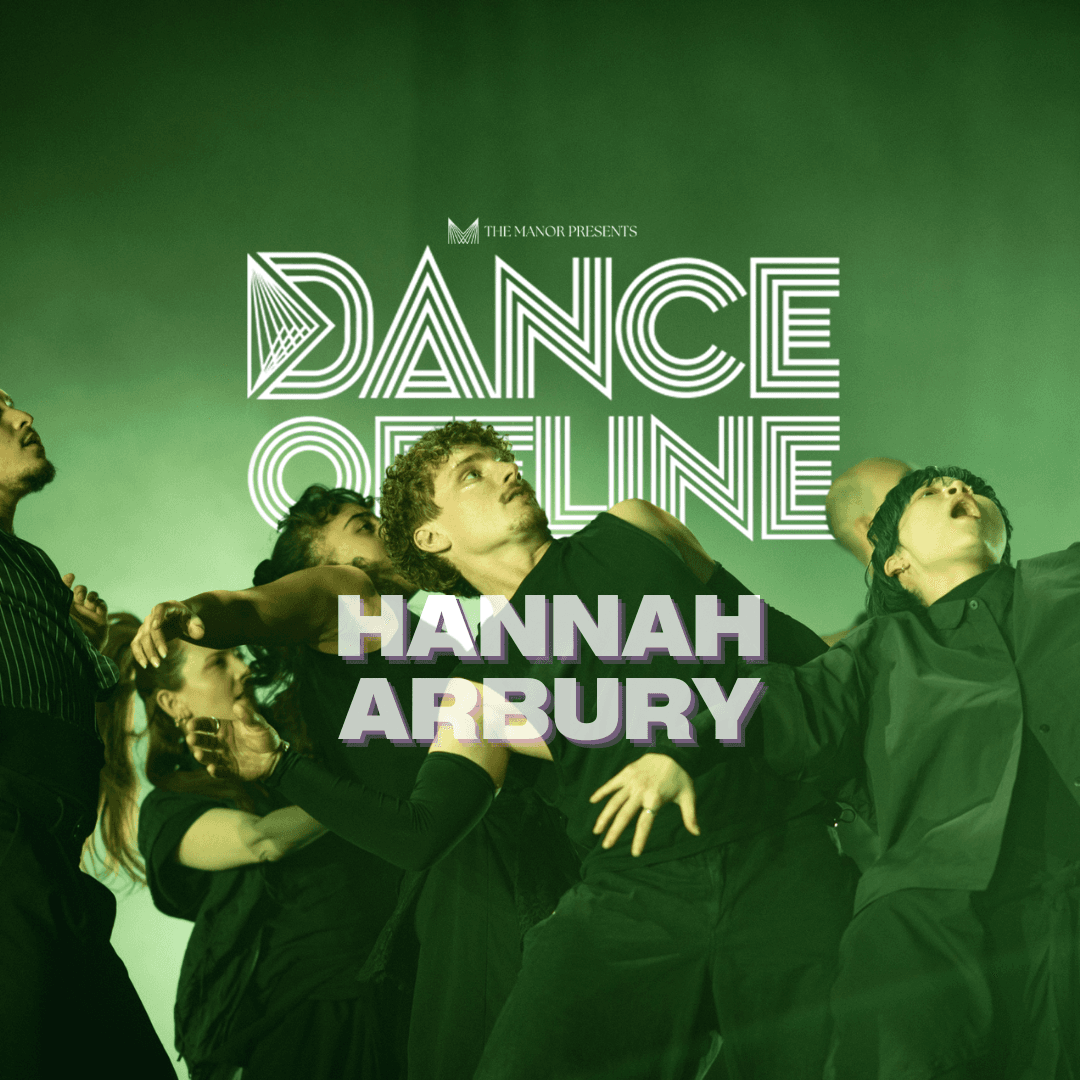
DANCE // OFFLINE 2026: Hannah Arbury: Where Movement Meets Possibility
Choreography
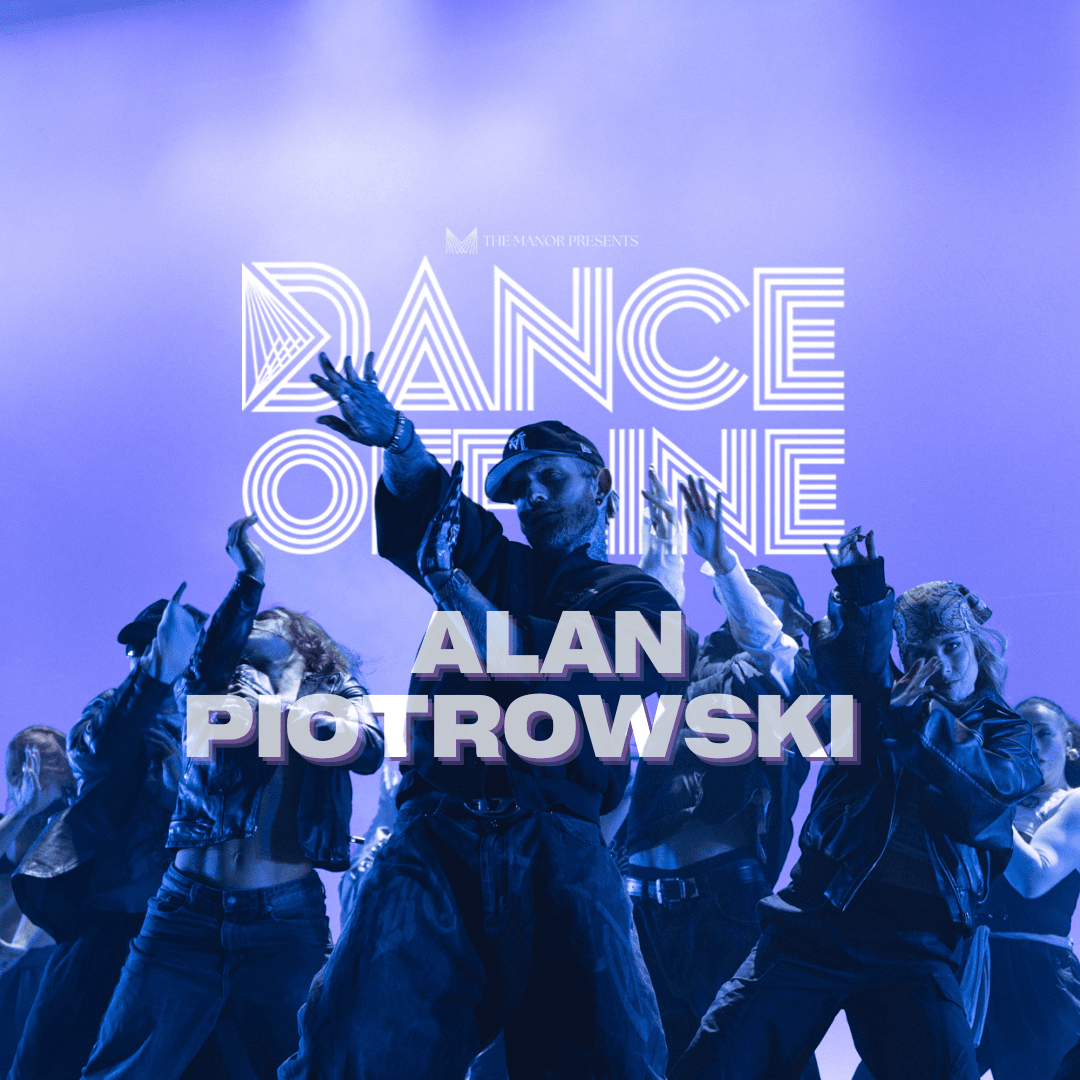
DANCE // OFFLINE 2026: Alan Piotrowski: Built Around the Beat
Choreography
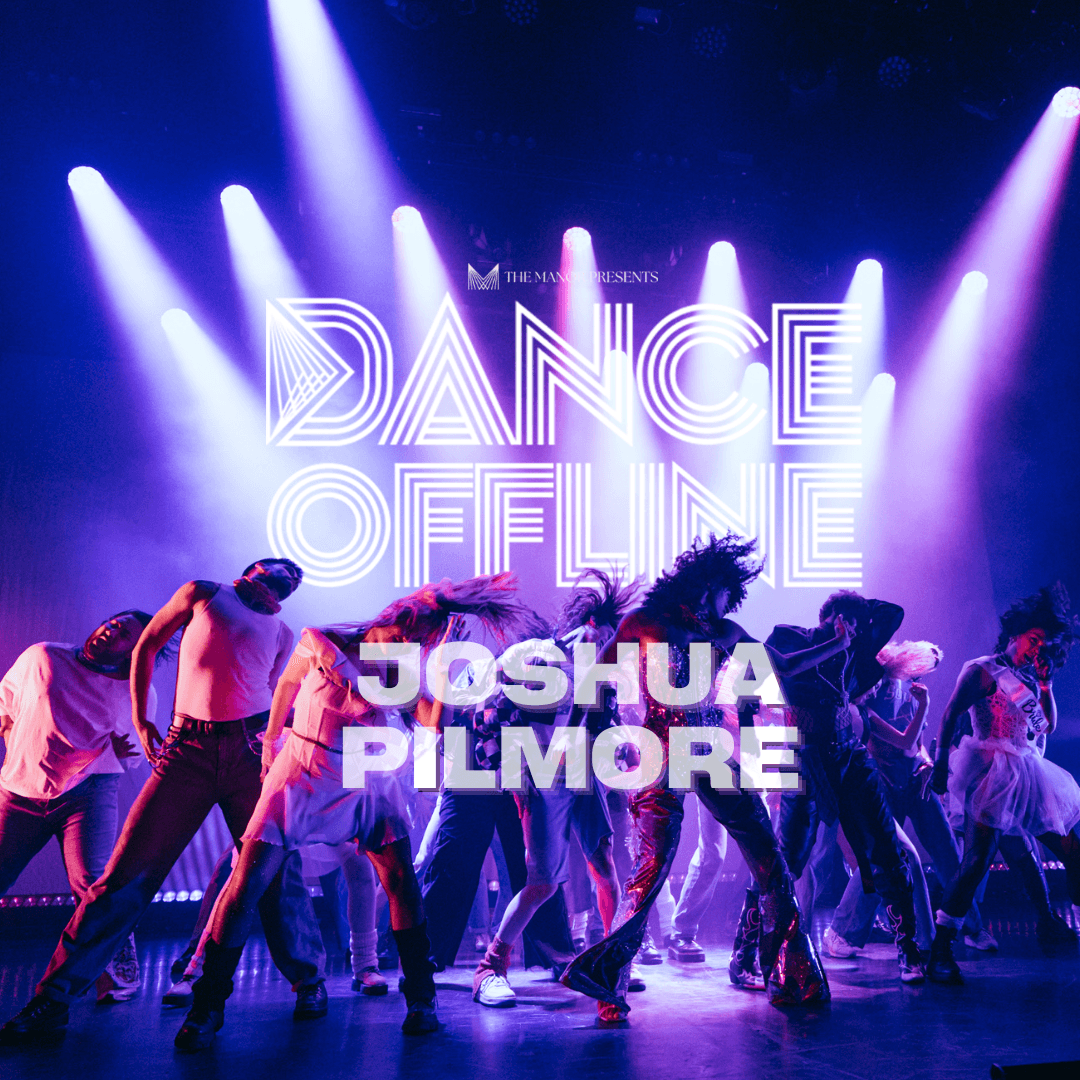
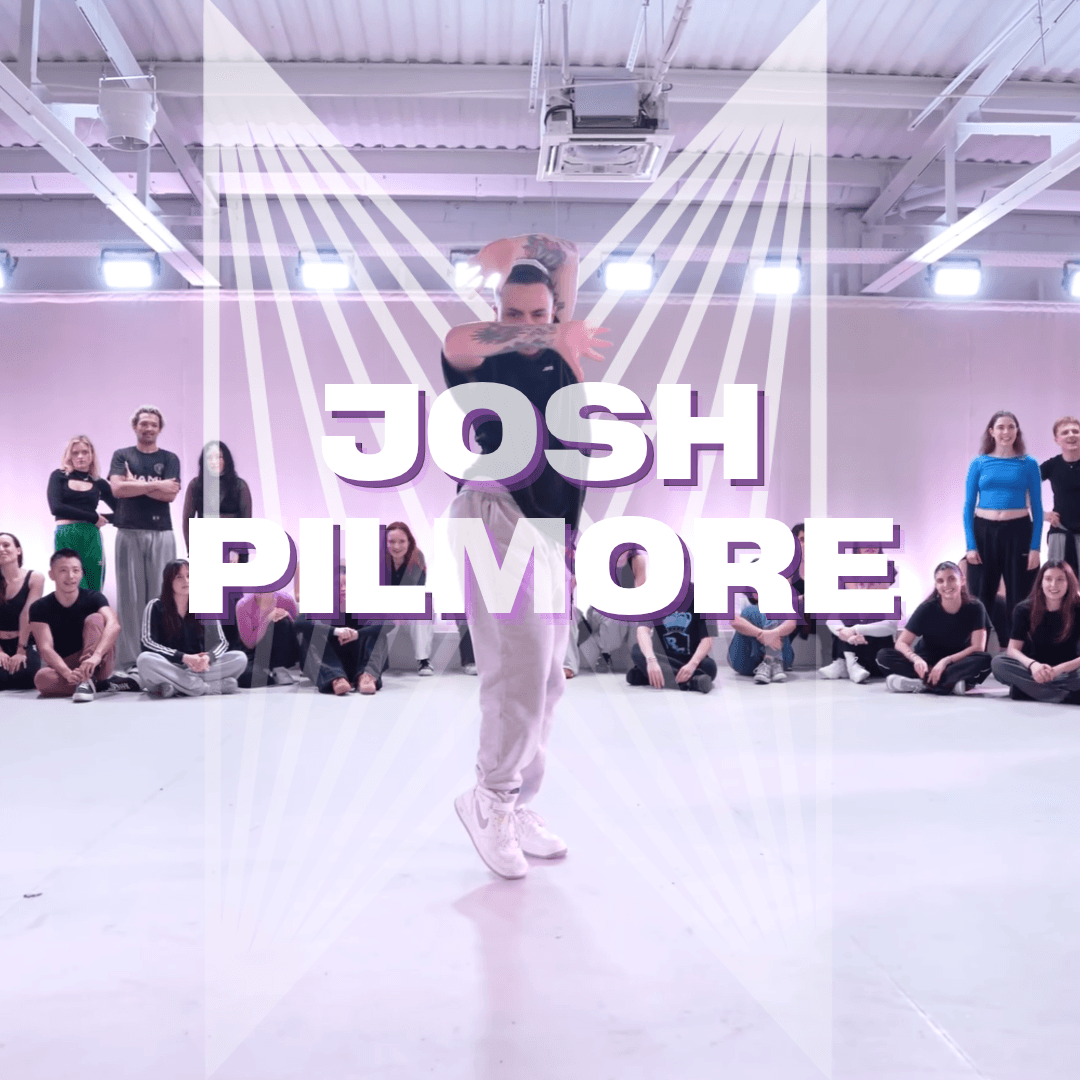
DANCE // OFFLINE 2025: Josh Pilmore: The Art of Going Full Out
Choreography
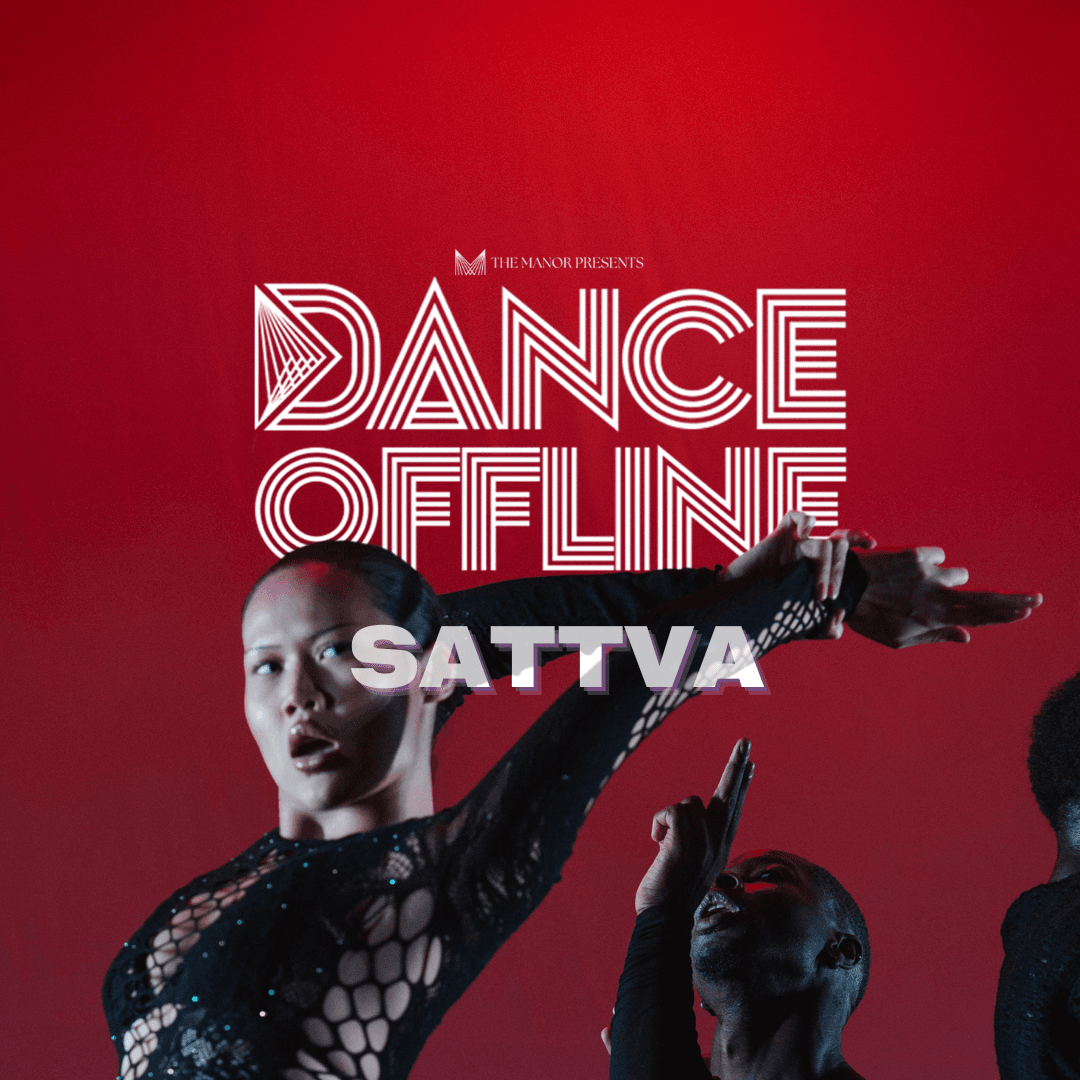
DANCE // OFFLINE 2025: Sattva: Where Ballroom Meets Artistry
Choreography
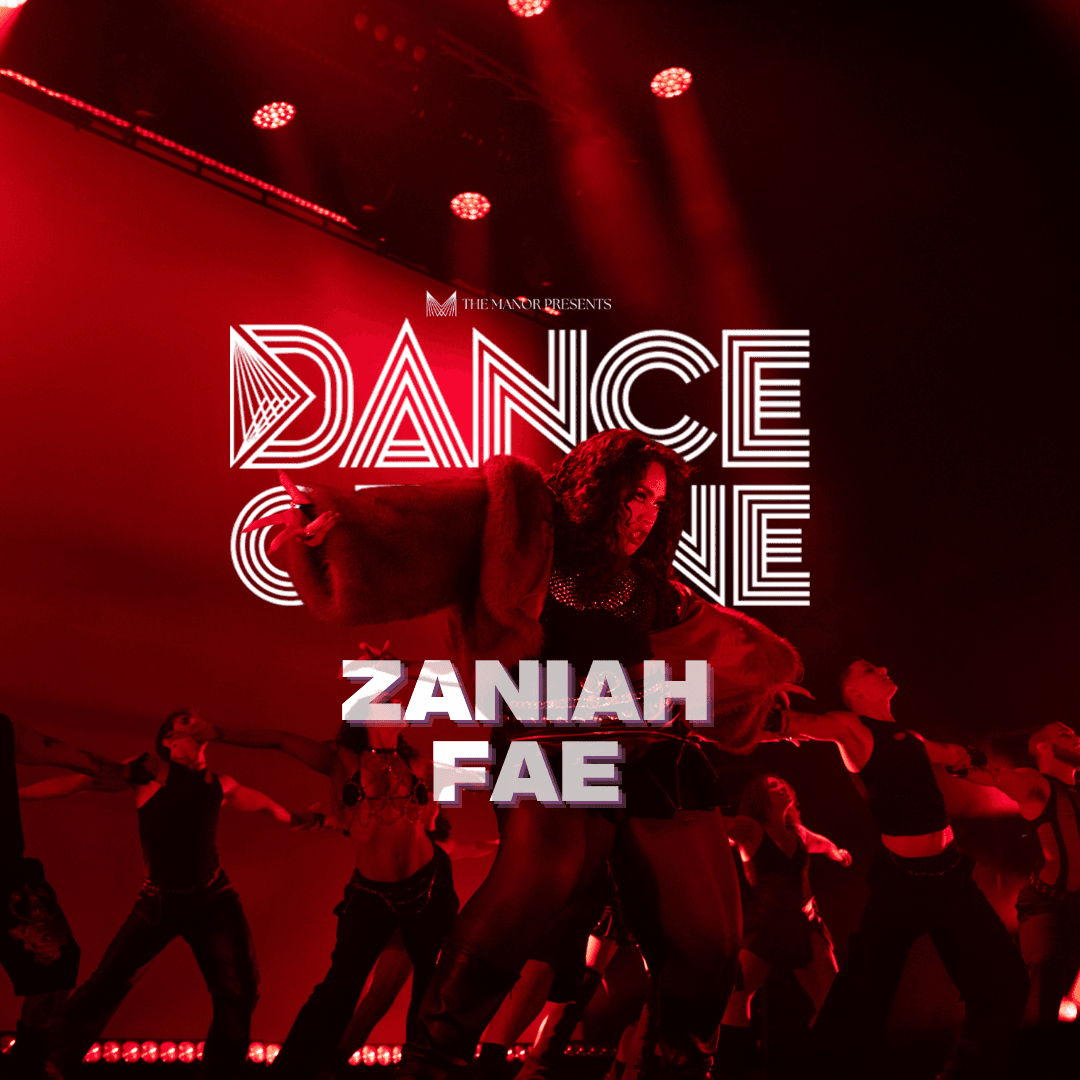
DANCE // OFFLINE 2025: Zaniah Fae: Where Movement Meets Vision
Choreography
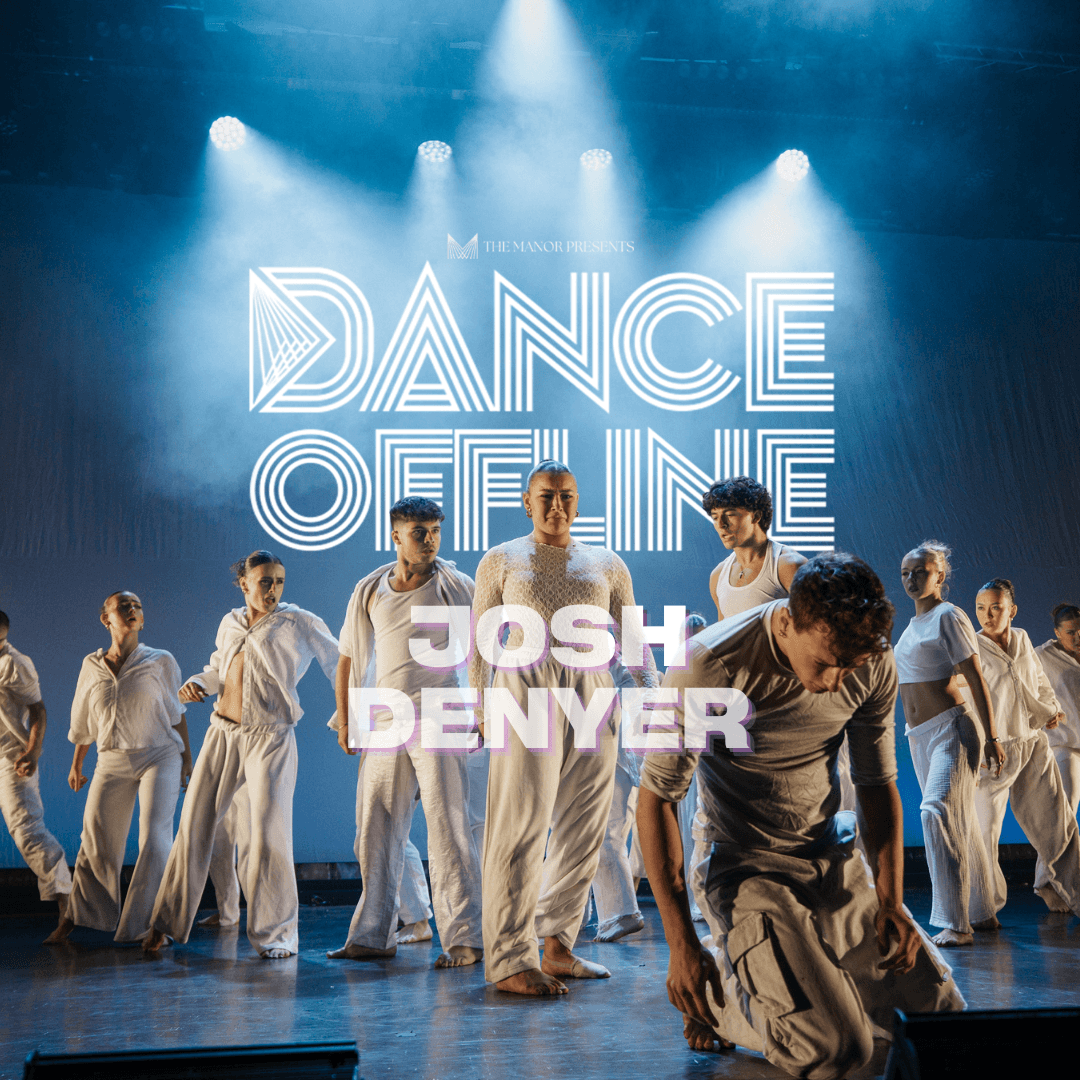
DANCE // OFFLINE 2025: Josh Denyer: Built for the Stage
Choreography
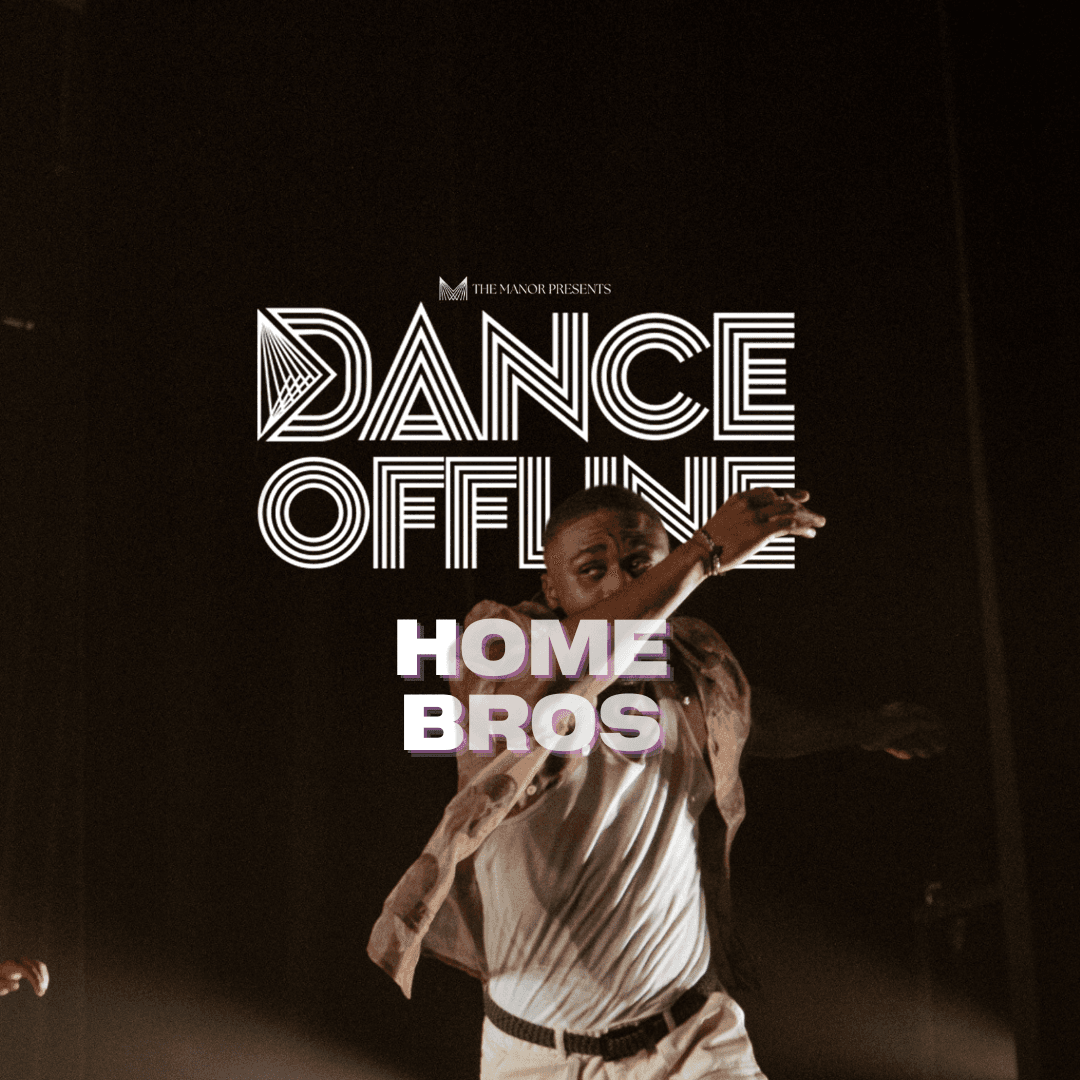
DANCE // OFFLINE 2025: HomeBros: Where Dance Becomes Community
Choreography
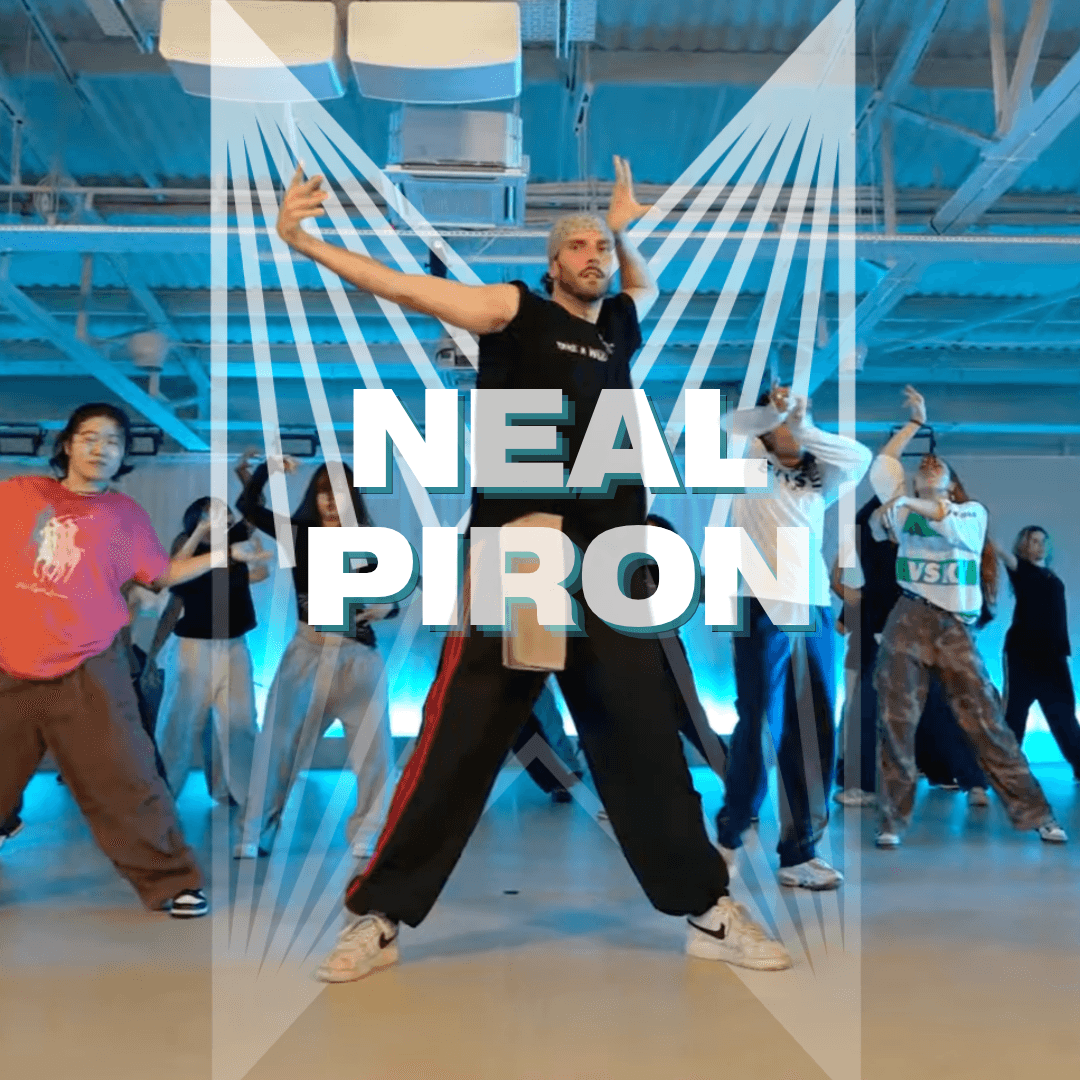
Neal Piron: Where Rhythm Finds Its Shape
Choreography
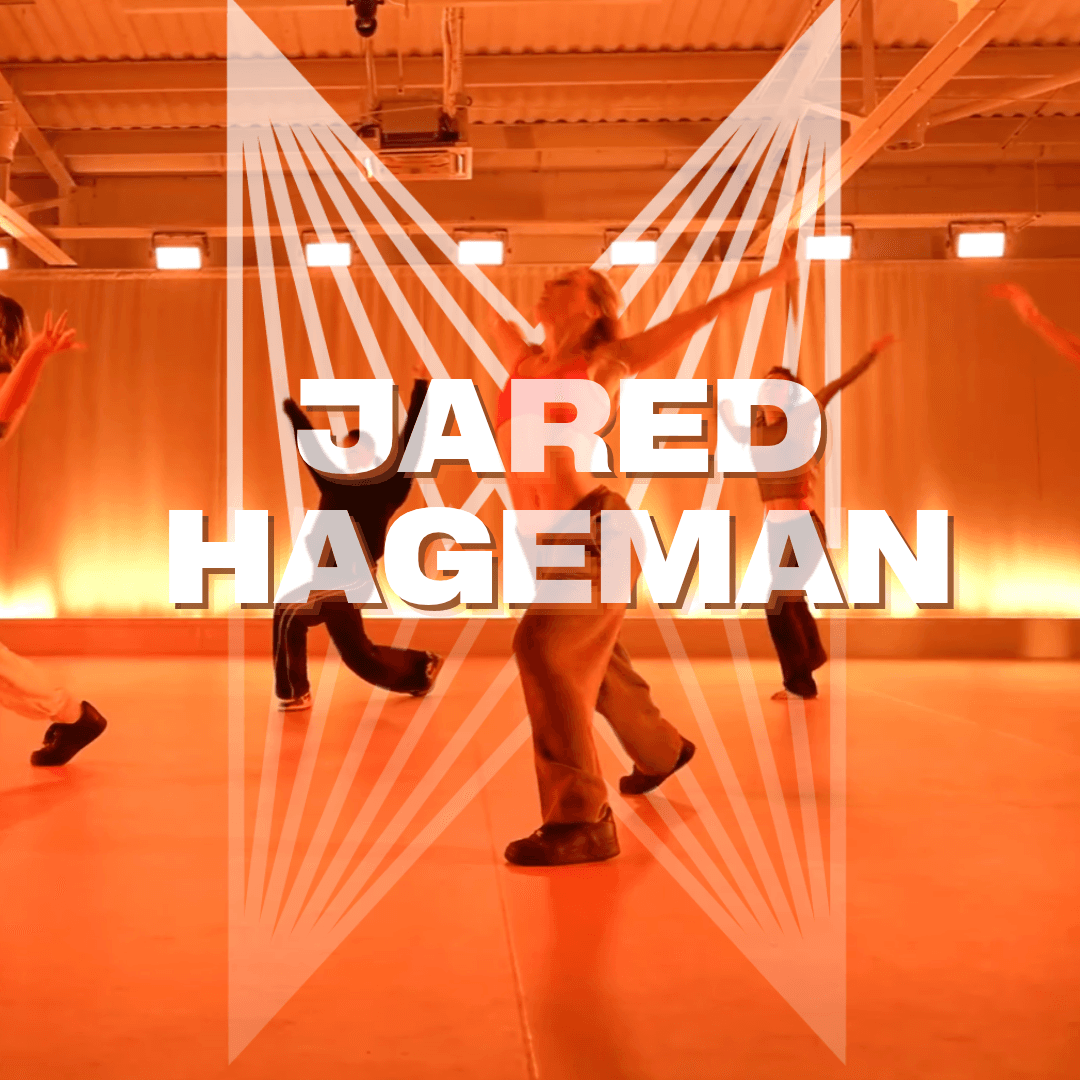
Jared Hageman: A Life in Movement
Choreography
Alex Chambers: Built Around the Music
Choreography
Eryn Bates: The Details Make the Difference
Choreography
Josh Denyer: Finding the Story in Movement
Choreography
Jaron Johnson: Where Hip Hop Finds Its Energy

Choreography
Neal Piron: Built Between Styles
Choreography
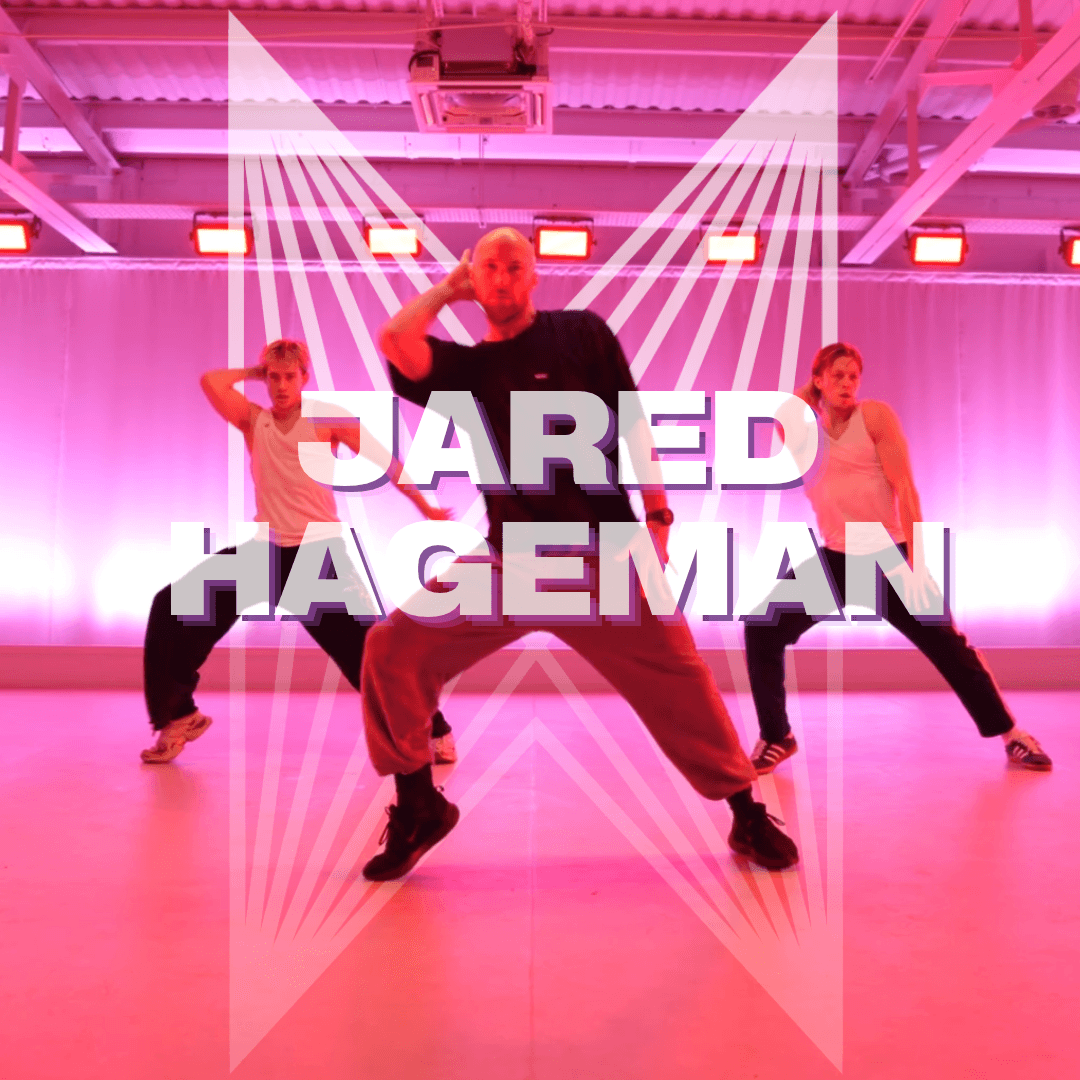
Jared Hageman: Where Every Style Has a Place
Choreography
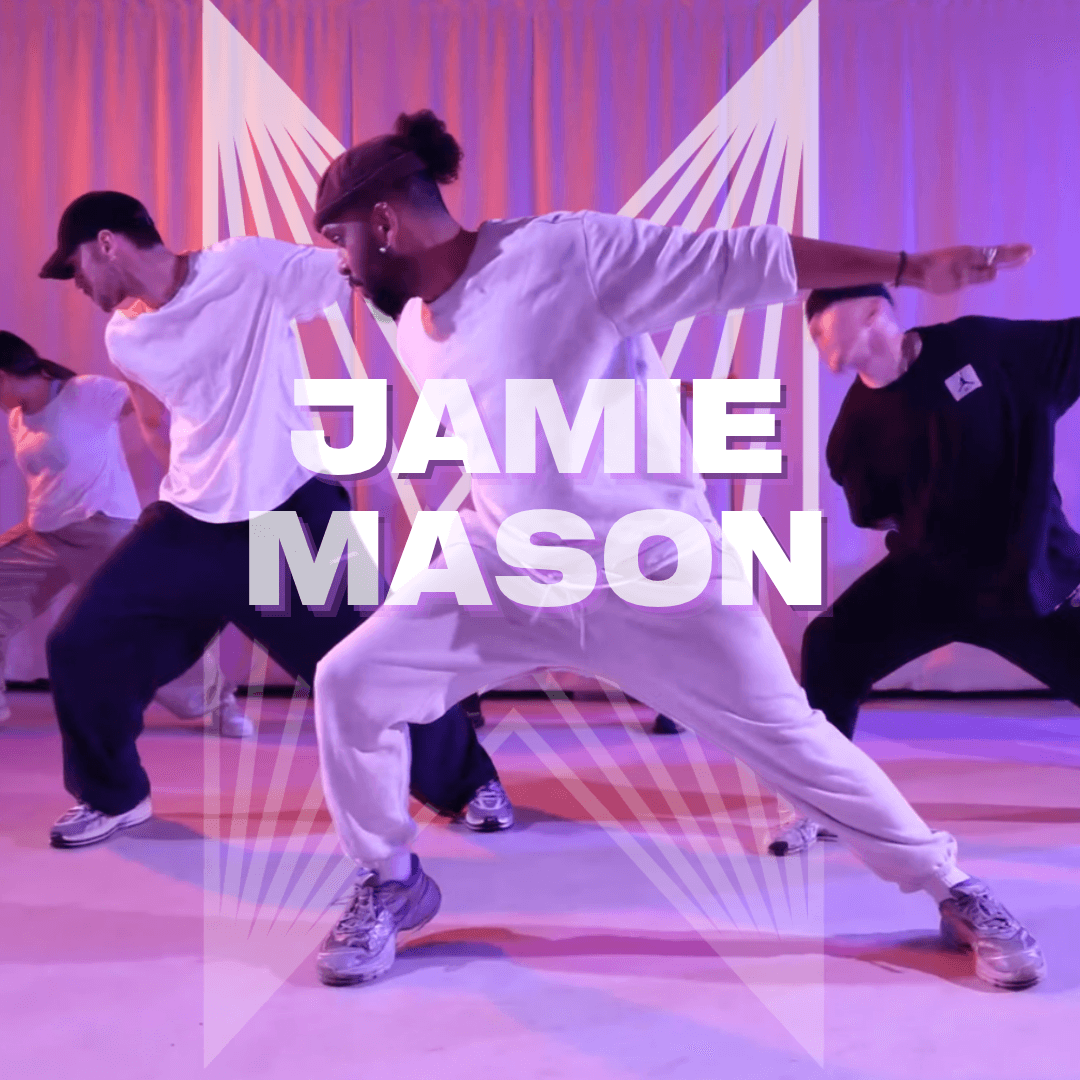
Jamie Mason: Built to Perform
Choreography